1. Regularly Inspect Filters
Filters are a crucial part of any vacuum cleaner, especially in industrial models that are used to pick up fine dust or hazardous materials. Over time, these filters can become clogged, reducing suction power and damaging the motor.
Steps to maintain filters:
- Clean or replace filters: Depending on the type of filter (HEPA, foam, or paper), clean or replace it according to the manufacturer's instructions.
- Check for tears or holes: Inspect filters for any physical damage. Even small tears can cause a loss in suction efficiency.
- Dry the filters: After cleaning, ensure filters are completely dry before reinserting them into the vacuum.
2. Keep the Hoses and Attachments Clean
Industrial vacuum cleaner hoses and attachments can become clogged with debris over time. A clogged hose will cause reduced airflow and inefficient suction, making the vacuum less effective.
How to maintain hoses and attachments:
- Check for blockages: Frequently check hoses for any blockages or kinks. If a clog is detected, gently work it out with a flexible rod or hose brush.
- Clean attachments: Clean all attachments such as brushes, nozzles, and extensions regularly. Any debris buildup in these parts can affect cleaning efficiency.
- Check for wear: Hoses can wear out over time due to heavy use. Look for cracks or holes and replace them as needed.
3. Maintain the Vacuum Bag or Container
Industrial vacuums typically use either bags or containers to collect debris. If the bag or container becomes full, it can reduce suction power, cause clogs, or even damage the motor.
Steps for maintaining vacuum bags or containers:
- Empty the vacuum bag/container regularly: Don’t wait for it to become completely full. Emptying it before it reaches maximum capacity will prevent overloading and ensure better suction performance.
- Check for leaks: Inspect bags or containers for any leaks or tears. A damaged bag can let debris escape, and in some cases, cause the vacuum to work harder than necessary.
- Clean the container: If you're using a container instead of a bag, make sure to clean it thoroughly after every use to prevent any buildup of dust or bacteria.
4. Inspect the Motor and Wiring
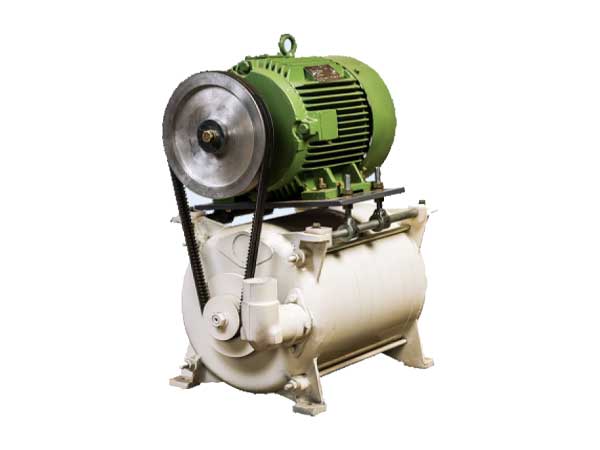
The motor is the heart of any industrial vacuum cleaner. Ensuring that it is in good working condition is vital for maintaining suction power and avoiding premature failure.
How to inspect and maintain the motor:
- Inspect the wiring: Look for any frayed or exposed wires. Damaged wiring can pose a safety risk and lead to malfunctioning.
- Listen for unusual sounds: If the vacuum makes a high-pitched whine or grinding noise, this could indicate an issue with the motor. Have a professional technician check it out.
- Ensure proper ventilation: Make sure the motor is not overheating by ensuring that the vacuum's cooling system is clean and unobstructed.
5. Lubricate Moving Parts
Industrial vacuums often have moving parts such as wheels, brushes, and fans that can wear down over time. Regular lubrication will reduce friction, extend the life of the parts, and improve the vacuum's overall performance.
Lubrication tips:
- Lubricate brushes: Ensure that the brush heads are properly lubricated to maintain their efficiency.
- Grease wheels and rollers: Over time, wheels and rollers can seize up or become stiff. Applying grease to these moving parts helps them operate smoothly.
- Use appropriate lubricants: Always use the lubricant recommended by the manufacturer. Using the wrong type can damage components.
6. Test the Suction Power
Suction power is the most important performance indicator of a vacuum cleaner. If the vacuum isn't picking up dirt or debris efficiently, it could be a sign of underlying issues like clogged filters, hoses, or a malfunctioning motor.
How to test suction power:
- Perform regular suction tests: Run the vacuum on different surfaces and observe its suction performance. If there is a noticeable decrease, it’s time to investigate further.
- Check the suction hose: Ensure the hose is not blocked and is properly connected to both the machine and the tool you're using.
7. Clean the Vacuum Exterior
While the interior is critical, the exterior of the industrial vacuum also needs attention. Dirt and grime can build up on the outer surface, especially if the vacuum is used in construction or outdoor environments.
Cleaning the exterior:
- Wipe down the vacuum: Use a damp cloth to wipe down the exterior and remove dust, dirt, and grime. Be careful not to get water inside the vacuum.
- Check for cracks and damage: Examine the body of the vacuum for any signs of wear, cracks, or damage. Minor issues can often be fixed with quick repairs before they become bigger problems.
8. Check the Power Cord
The power cord is essential for the vacuum's operation. If it is damaged, the vacuum might not operate properly, and it can even become a safety hazard.
How to maintain the power cord:
- Inspect for damage: Look for any exposed wires, cuts, or fraying. If you spot any damage, replace the power cord immediately.
- Avoid pulling on the cord: Always unplug the vacuum by pulling on the plug, not the cord. This will prevent undue strain on the cord and connectors.
9. Follow the Manufacturer’s Maintenance Schedule
Every industrial vacuum cleaner comes with a manufacturer’s manual that includes a recommended maintenance schedule. Following these guidelines is crucial to maintaining the machine’s efficiency and longevity.
Tips for following the manual:
- Read the manual thoroughly: Familiarize yourself with the specific maintenance instructions for your vacuum model.
- Stick to the schedule: Adhere to the recommended service intervals for part replacements and inspections to keep the vacuum running smoothly.
10. Schedule Professional Servicing
While regular maintenance is crucial for optimal performance, certain repairs may require professional attention. If you notice persistent issues or the vacuum is malfunctioning, don't hesitate to contact a professional for servicing.
Why schedule professional servicing:
- Expertise: Professionals have the tools and knowledge to diagnose complex issues that may not be immediately apparent.
- Long-term cost savings: Catching problems early through professional servicing can prevent costly repairs or replacements down the road.
Conclusion
Proper maintenance of industrial vacuum cleaners ensures that they operate efficiently, safely, and for a longer period of time. By following the steps outlined above, you can keep your vacuum in top condition, reduce downtime, and protect your investment. Regular cleaning, inspection, and lubrication are key to preventing issues before they arise and ensuring the machine continues to perform its best in your demanding environment.